The Curves Aren't Built for Height
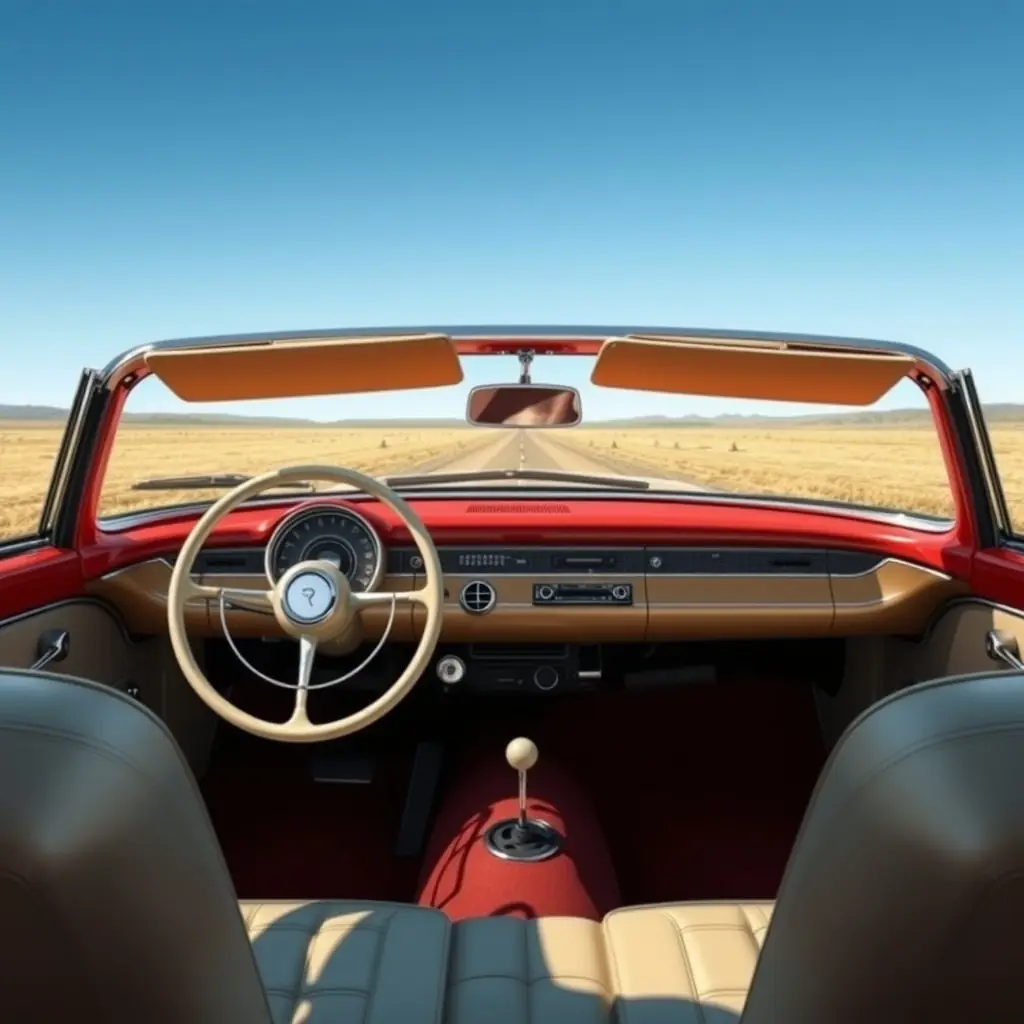
Sitting inside a vintage Mustang or Camaro sounds like every car enthusiast's dream, but for someone over six feet tall, it's a cramped reality. These iconic cars were designed in an era when the average height was significantly less, leaving taller drivers and passengers contorting to fit. The seatbacks are often short, and headroom is at a premium, so you might find yourself ducking to avoid the ceiling, reducing visibility and comfort. In more modern times, manufacturers have started considering the taller demographic, offering adjustable seats and more spacious interiors, yet that flexibility isn't present in classic car models from the '60s and '70s. A practical trick is to modify the seat rails to allow the seat to slide back further, gaining some much-needed legroom. However, this isn't always possible without compromising the integrity of the vintage aesthetic—a decision that many classic car aficionados find hard to justify. While the nostalgia is unparalleled, the physical modifications are often necessary to make these beautiful machines more accommodating to taller occupants.
Legroom at a Premium
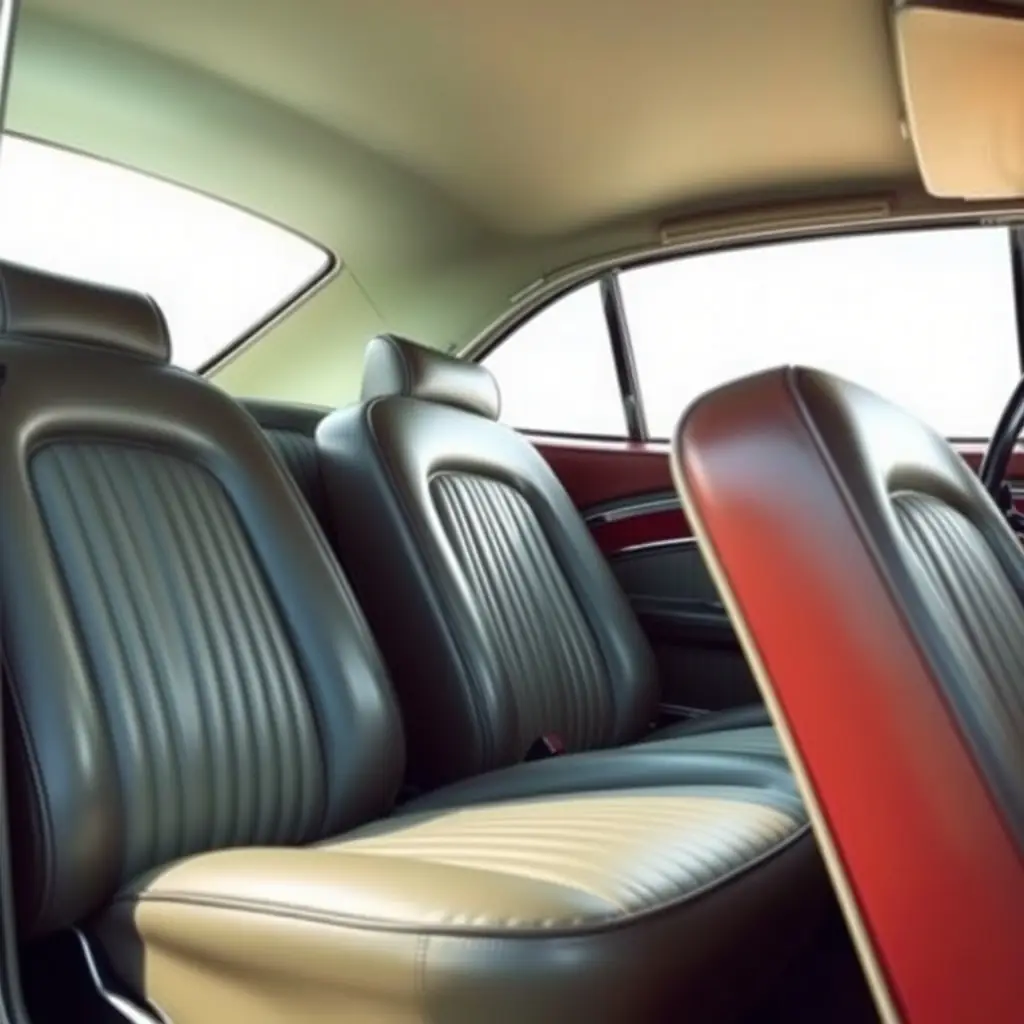
Once you wedge yourself into the front seat of a classic car, the next ordeal is finding space for your legs. Classic models often offer minimal legroom, which might leave your knees awkwardly angled or grazing against the dashboard. For individuals accustomed to modern spacious interiors, this is a significant adjustment. Considering the architecture of muscle cars and roadsters, which were designed more for aesthetic impact than everyday comfort, this isn't surprising. Some classic cars, like the Volkswagen Beetle, offer a bit more space owing to their more utilitarian design, but it remains a tight fit at best. Modifying the seating arrangement by adjusting the height and pitch of the seat bottom can sometimes offer relief, but it isn't a cure-all. Needless to say, frequent long drives might become a challenge unless you're willing to opt for modifications or extra cushions to alleviate some discomfort. So if you're planning that cross-country road trip in a classic Cadillac, consider your current understanding of 'comfort' and be ready for a more 'back-to-basics' experience.
The Dashboard Dilemma
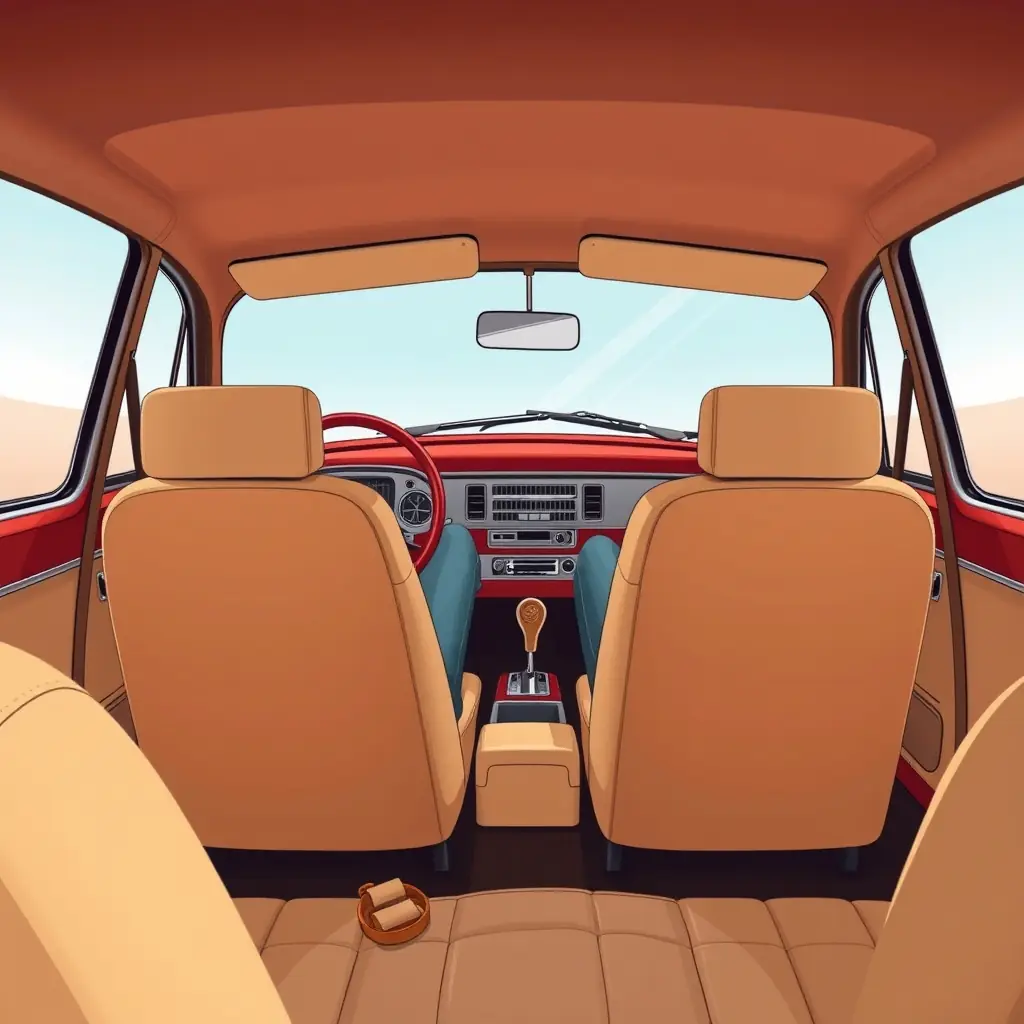
The dashboard in classic cars is often a work of art, a masterpiece of symmetry largely designed with aesthetics in mind, frequently posing a problem for taller drivers. With the low-lying design and minimal adjustability of the steering columns, taller drivers can struggle to maintain both comfort and control. The fixed steering wheels mean your legs can feel trapped, especially during longer drives. This static setup is a stark contrast to today's adjustable steering columns, which offer tilt-and-telescopic functions allowing drivers of all heights to find their optimal driving position. Additionally, the vertical set of gauges on classic dashboards can be partially obscured if you're sitting higher in your seat, affecting your view of the speedometer or other indicators. To remedy this, some enthusiasts resort to custom aftermarket adaptations, though this often contradicts the goal of preserving the car's original design. In essence, driving a classic car as a tall individual is a lesson in compromise, pushing you to balance the passion for vintage style with pragmatic alterations.