The Power of Personal Expression
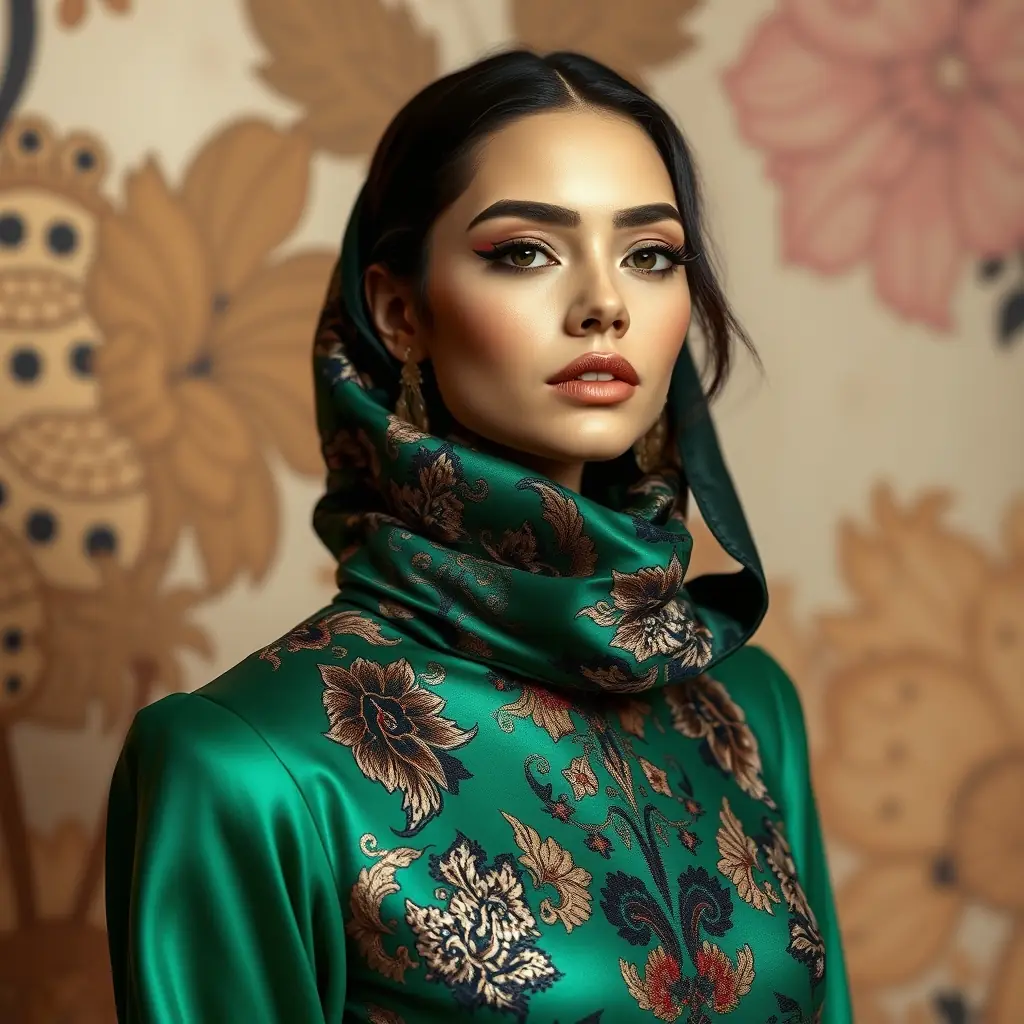
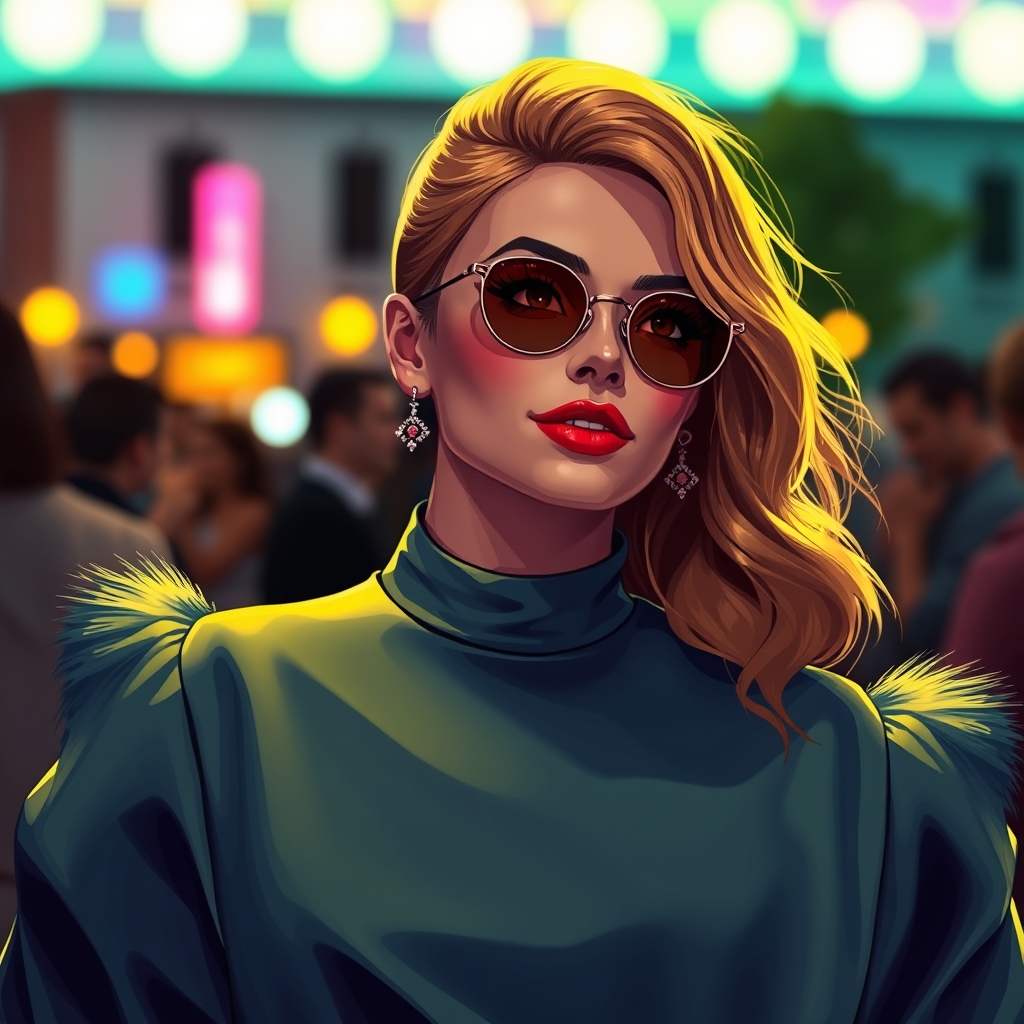
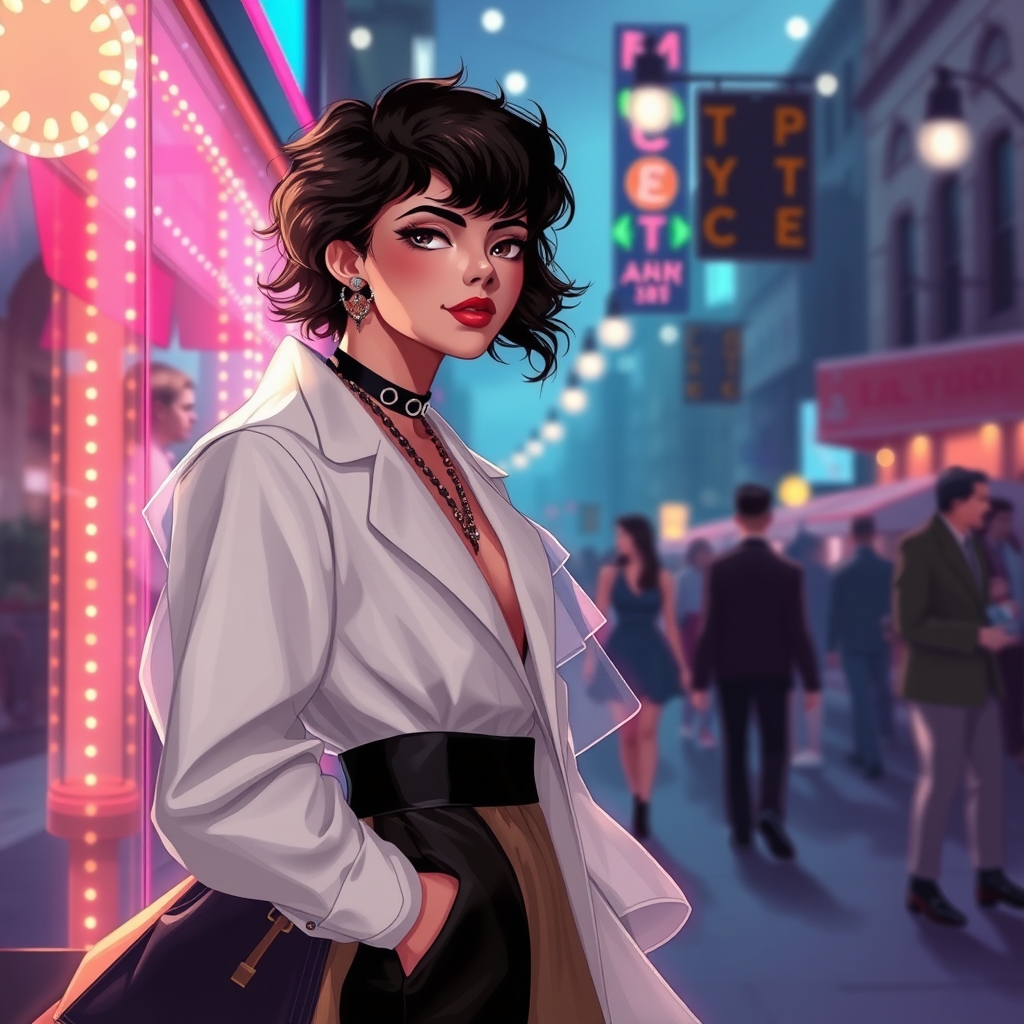
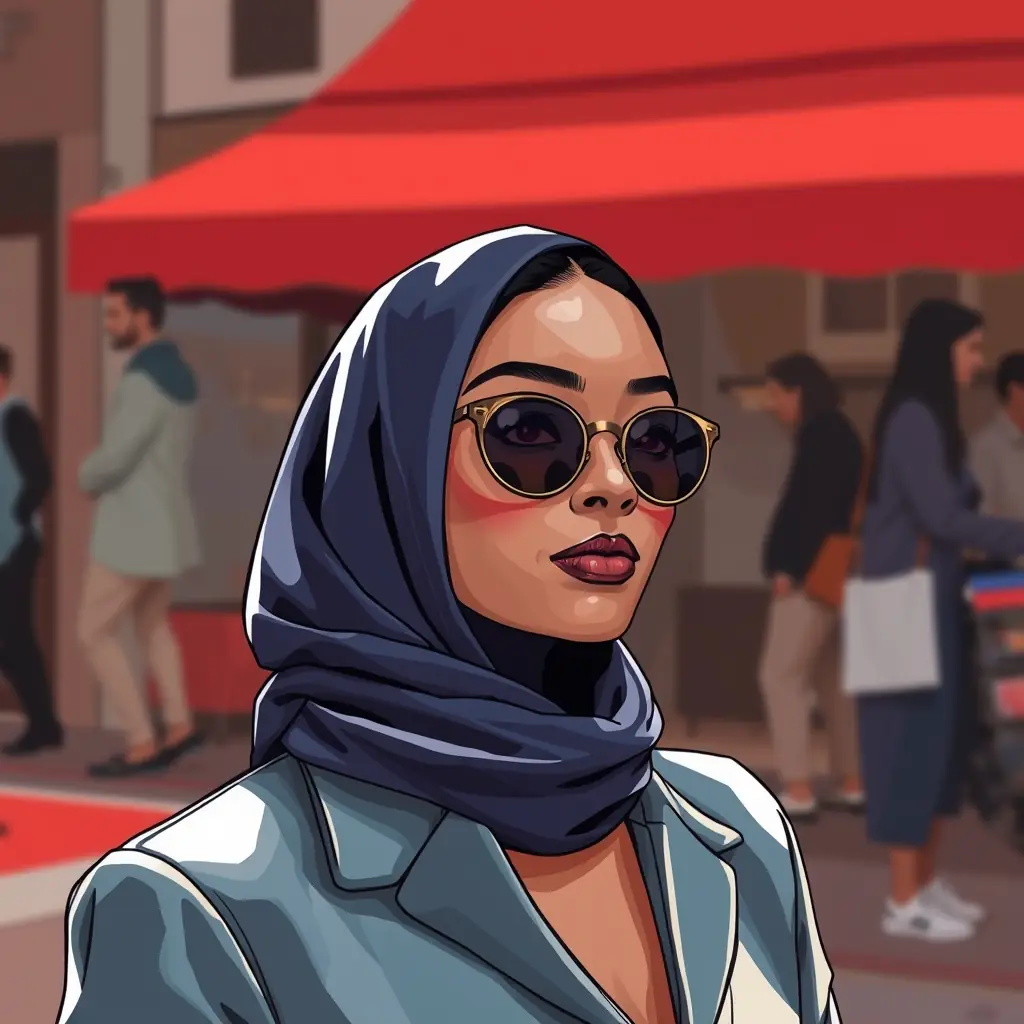
Fashion has always been a powerful medium of personal expression, especially for those in the Arab LGBT community. Growing up, I remember sifting through glossy magazines, captivated by the myriad of styles and personalities on display. For many, fashion isn't just about the clothes themselves; it's a way of asserting identity and claiming space in a world that can often feel unwelcoming. Wearing an unexpected color or an extravagant outfit can be a bold statement of pride and individuality. In cities like Beirut and Dubai, you’ll find local designers pushing boundaries, blending traditional fabrics with contemporary cuts, creating pieces that are both culturally resonant and fiercely unique. These garments aren't just clothes—they're armor, helping individuals express their authentic selves in a society where being openly LGBT isn't always safe. My wardrobe tells a story of resistance and resilience—a glittery jacket reminding me of my first pride, a vibrant scarf from a queer designer in Amman. Each piece is a reminder that fashion can be both a personal refuge and a powerful tool for empowerment.
Glamour Through Adversity
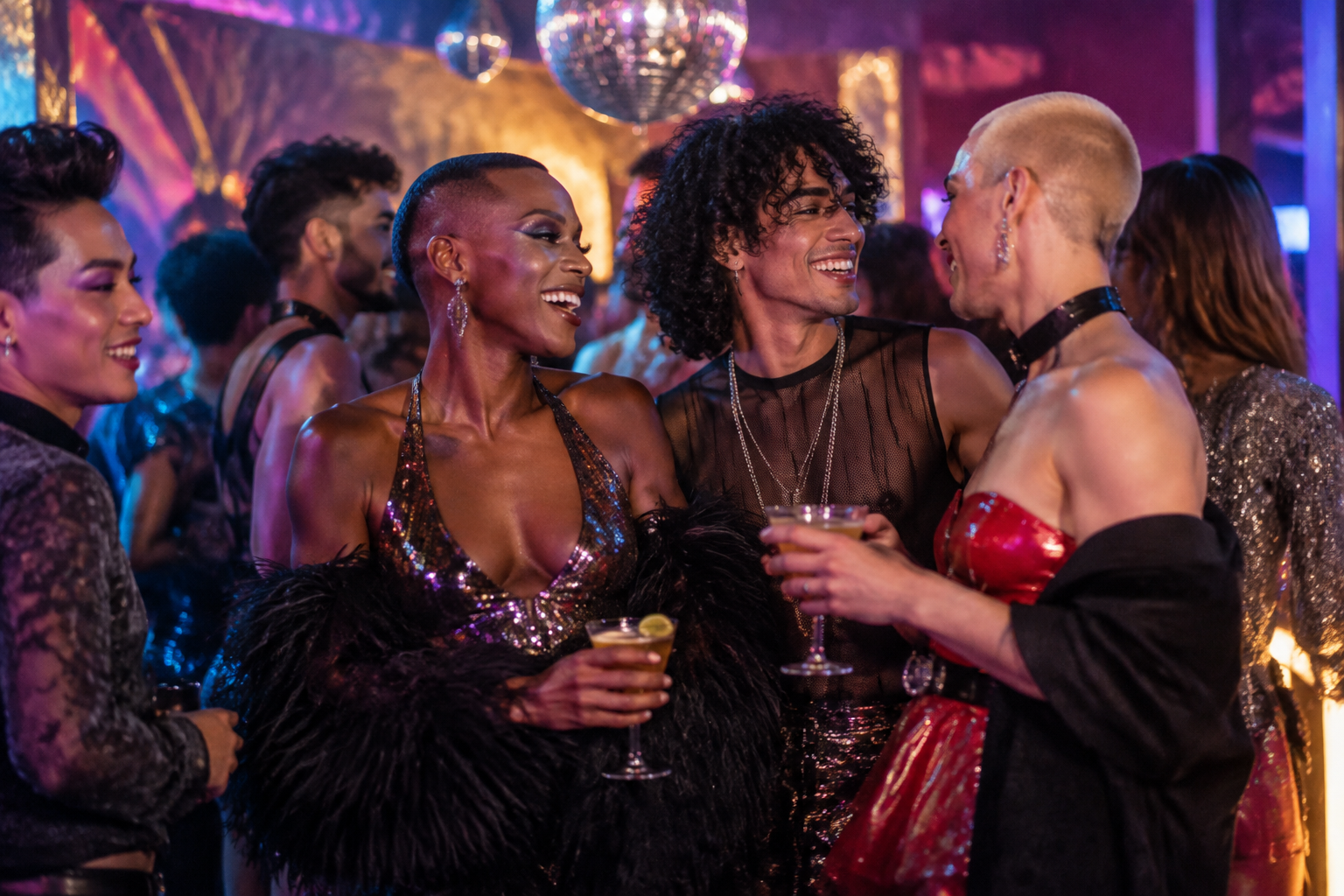
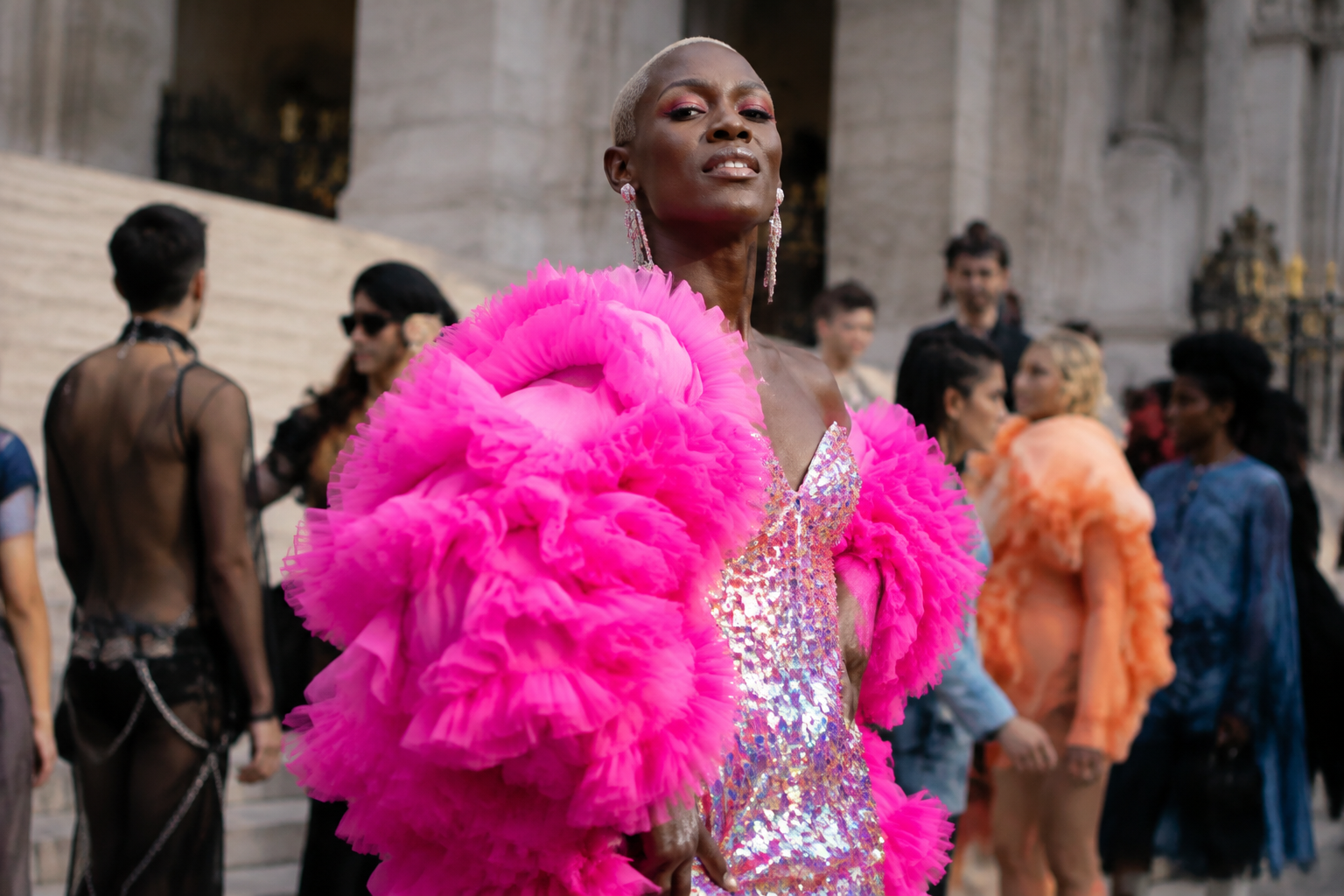
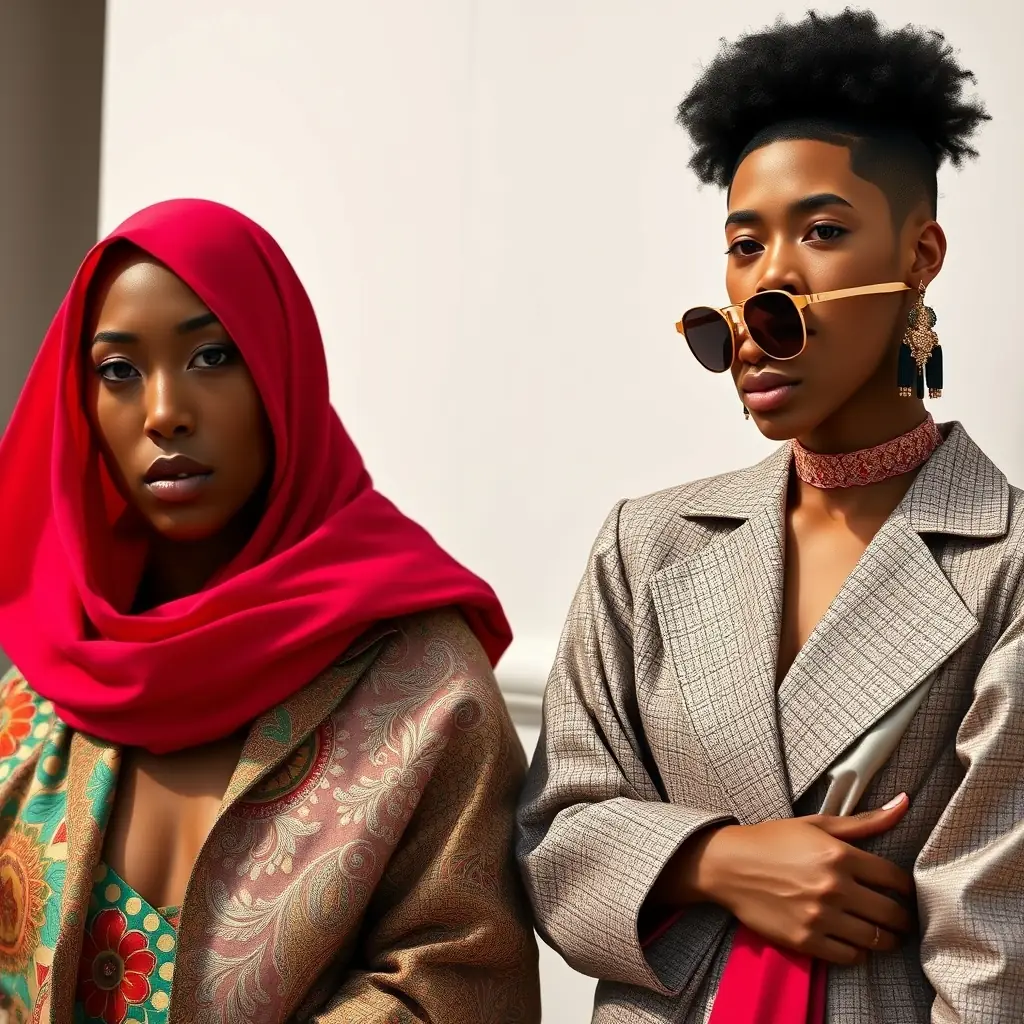
The road to acceptance in many Arab countries can be challenging, yet the resilience of the LGBT community shines through in the form of vibrant, couture-inspired ensembles that command attention. I remember attending a mixing event where attendees flaunted their boldest outfits, from shimmering gowns to sharp tuxedos with artistic embellishments. These events prove to be not just fashion showcases, but platforms for advocacy—a place where the shimmer of sequins speaks volumes. It's not just about wearing clothes; it's about crafting an image that whispers strength and declares ‘I am here’. International influencers often present a Western-informed style image, but local movements evoke a unique blend of Arabian luxury and individual flair. Finding a delicate balance between tradition and modern stylish rebellion, outfits become a daring juxtaposition. Wearing such attire at these events feels like a silent protest with each step echoing the cries for acceptance and equality. Glamour becomes an act of defiance that refuses to be overshadowed by fear or prejudice.
Hidden in Plain Sight: Code Switching in Style
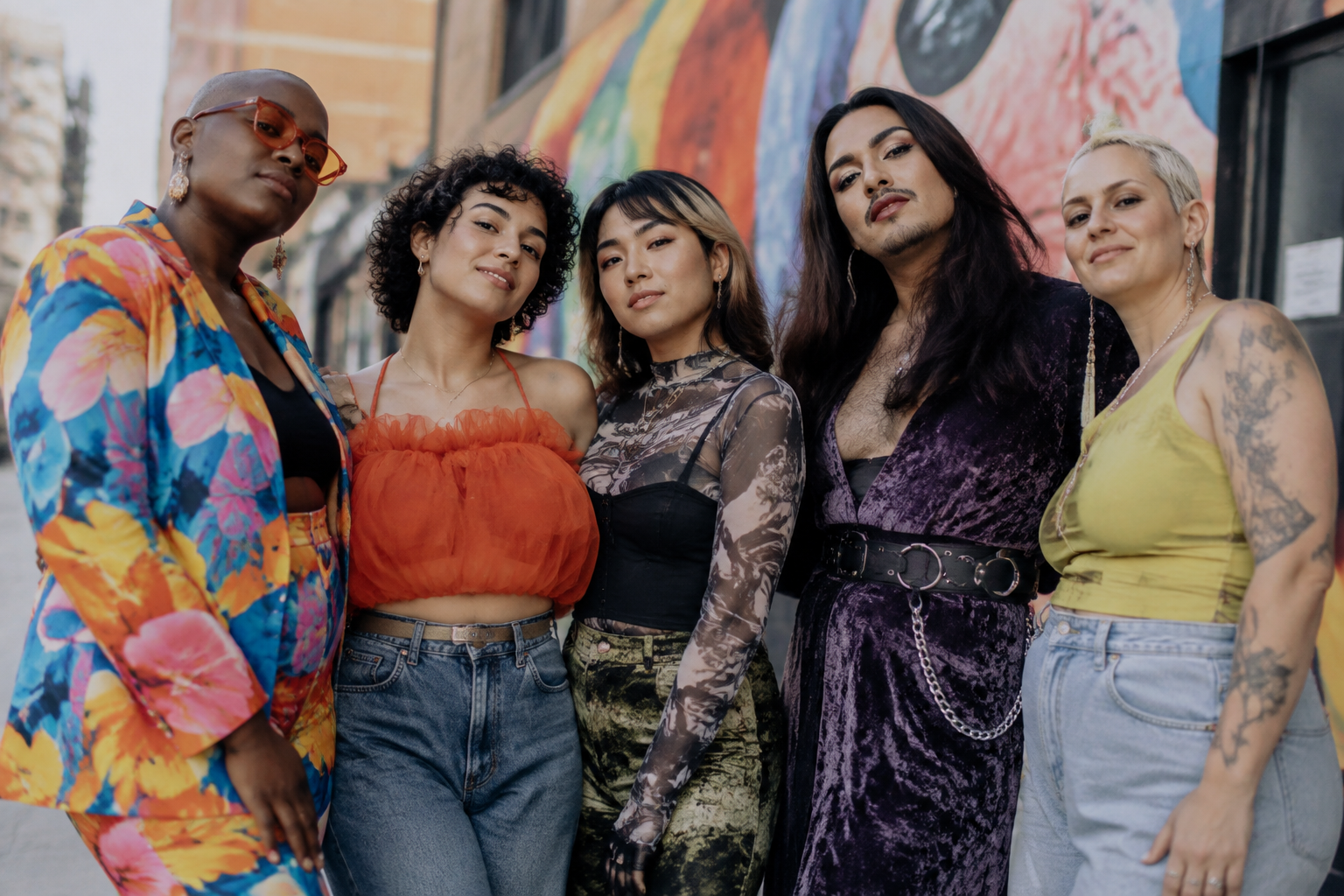
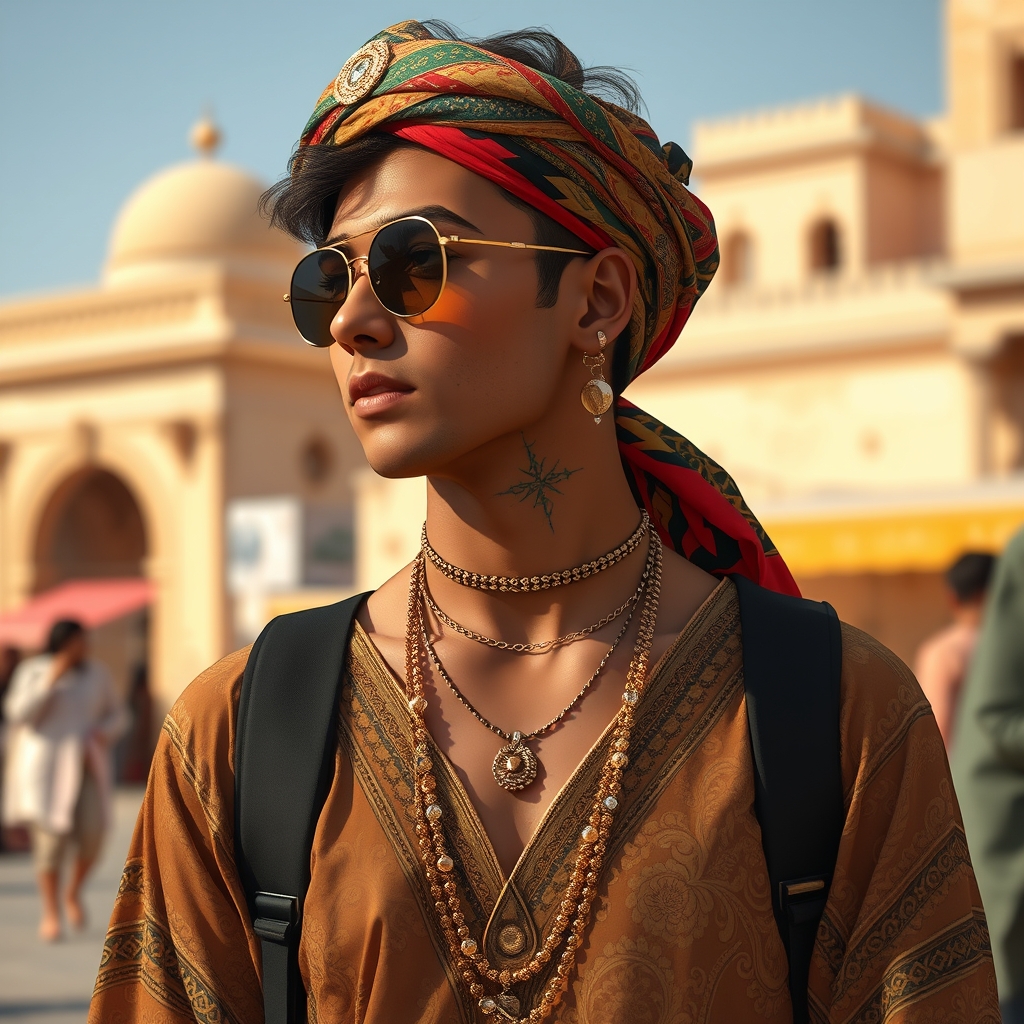
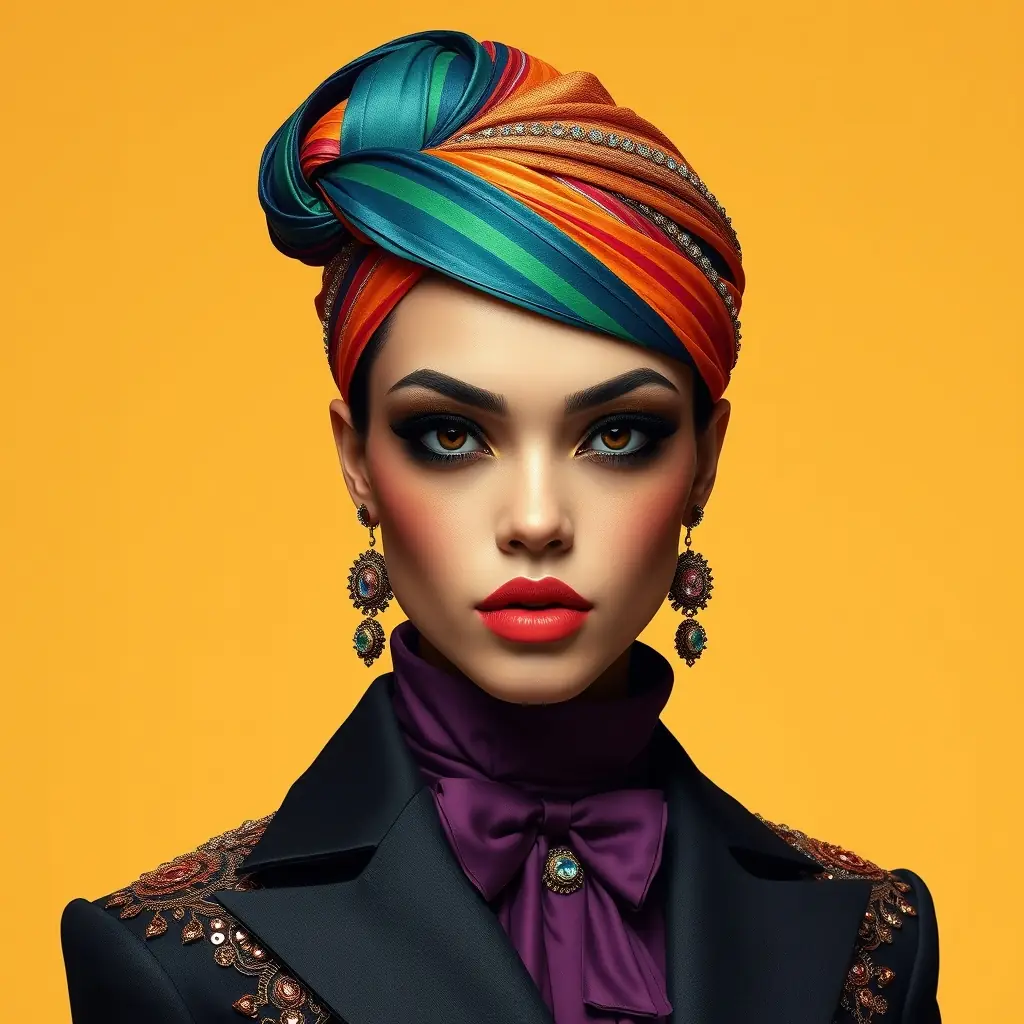
Navigating identity through fashion in Arab countries often involves a sophisticated dance of adaptability and code-switching. In private celebrations, individuals in my circle opt for diamante-studded jackets and boldly patterned kaftans to freely represent their identities. But in more restrictive spaces, subtle fashion statements provide a covert expression of self. This might mean wearing a layered gemstone bracelet under a traditional thobe or adding an iconic ring from a pride label that only those in-the-know would recognize. It's a nuanced language only understood by those who understand the courage it takes to wear such symbols. Code-switching in attire allows for a safe navigation through varying social climates but quietly sustains the colorful presence of the LGBT community. Watching a friend seamlessly transition from an understated public look to an unapologetically passionate private ensemble is both a nod to cultural awareness and a testament to the indefatigable spirit of self-expression. This duality reflects both fear and fearlessness, an intimate understanding that the world is not binary, much like the shades we choose to wear.
Glamorous Icons and Their Inspirations
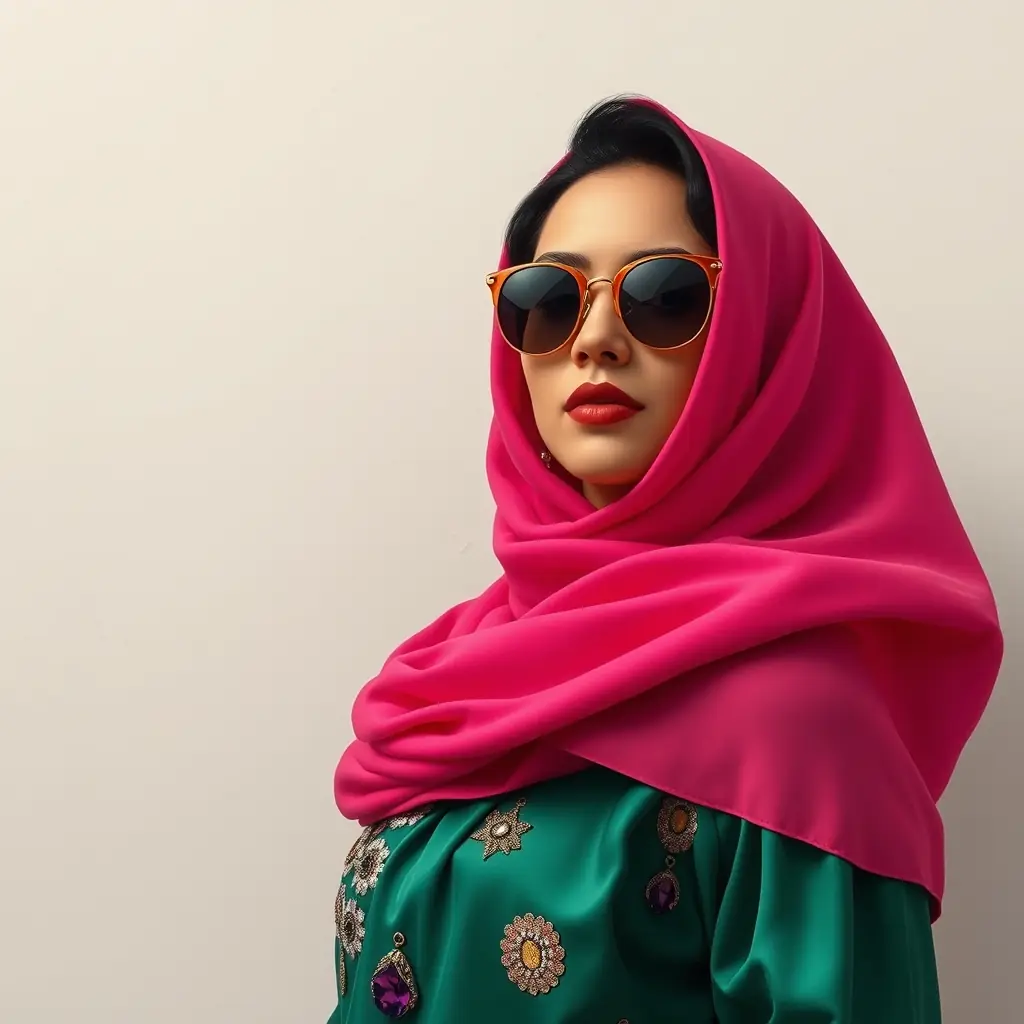
The Arab LGBT fashion scene is inspired not only by local culture and personal narrative but also by iconic figures who have paved the way in the realm of style and advocacy. Figures like Rabih Kayrouz and Hishik Bishik Couture have not only made waves with their designs but have also become emblematic of broader social change. These icons create a palpable sense of belonging and pride through their work on international runways and local talent shows. I remember attending a fashion show where Kayrouz's line carried elements of traditional embroidery next to ultra-modern elegance, a testament to the synthesis of heritage and current LGBT advocacies. These designers draw inspiration from native dress forms and broader fashion trends, crafting pieces that resonate deeply within the community, often crafting custom wearable art that speaks directly to one's soul. Icons like these extend beyond mere fashion; they're living proof that creativity can be a force for change, highlighting narratives often left untouched by mainstream media. As a budding designer, watching their bravery encourages me to dream, design, and demand the freedom to express personal representation through the fabric of our times.