The Glamour of Traditional Attire
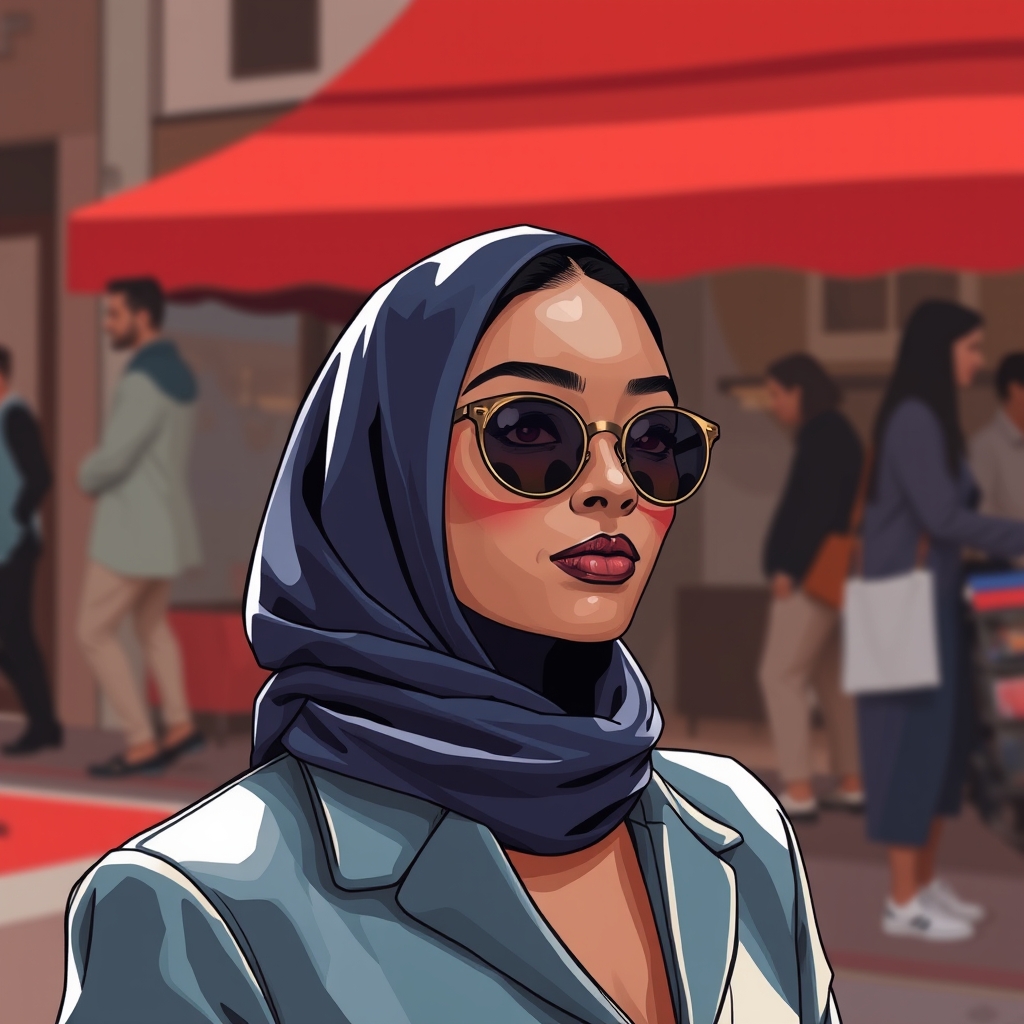
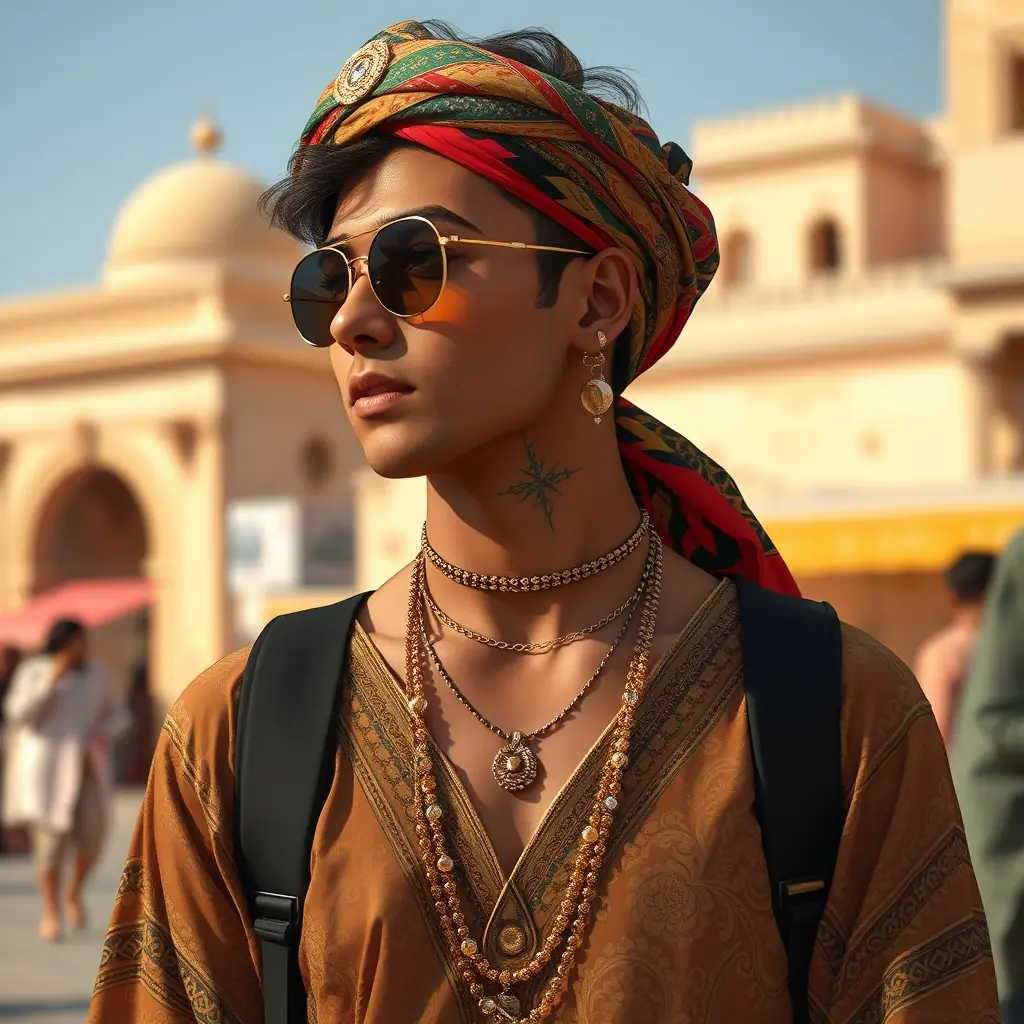
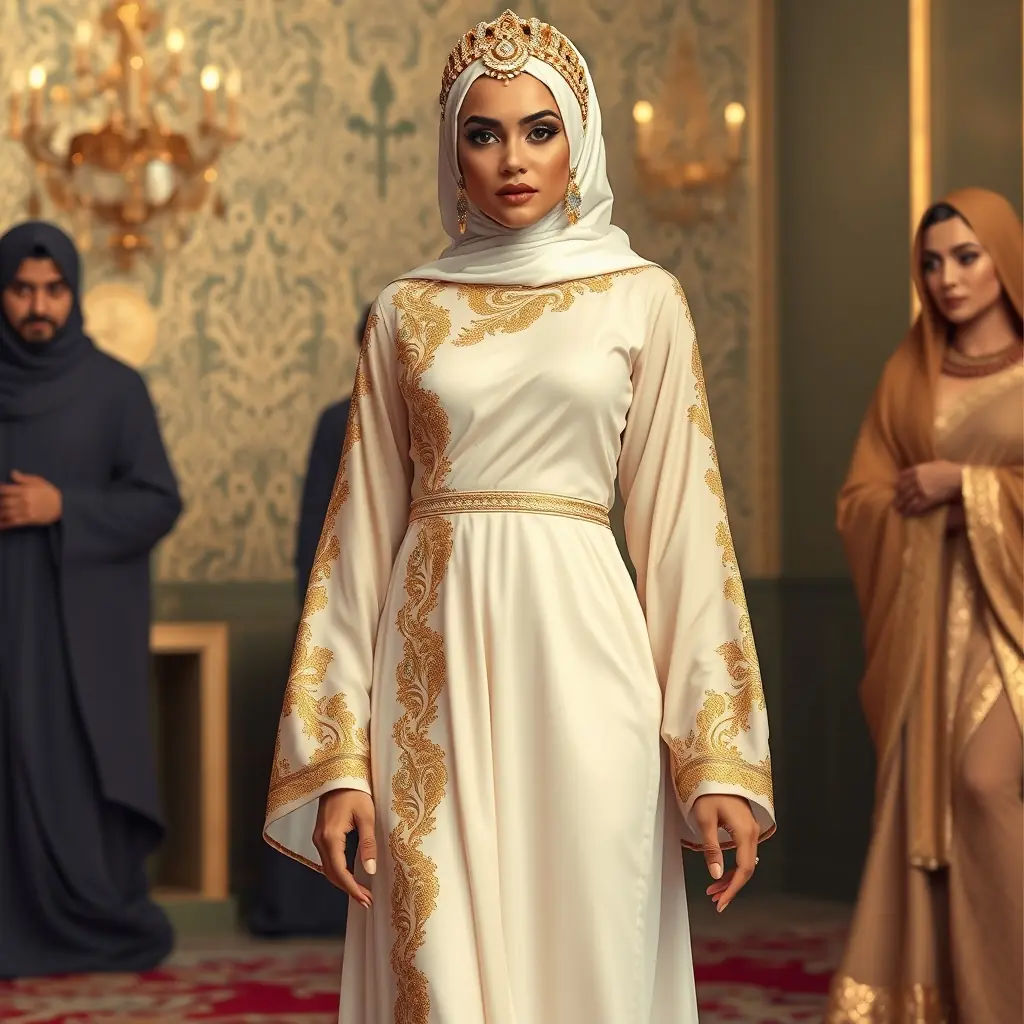
Being part of the Arab LGBT community means navigating a rich tapestry of traditions and modern expressions. Traditional attire, such as the abaya and thobe, embodies this balance beautifully. When designed with a hint of luxury, these garments evoke a sense of glamour that commands attention. I remember attending an event where the host wore an abaya crafted with intricate gold thread and sequins, effortlessly blending classic style with contemporary flair. The allure doesn’t stop at clothing; accessories like opulent jewelry and embellished headpieces further enhance the look. These pieces work together to create an aesthetic that is both culturally respectful and fashion-forward. Yet, for some, the weight of tradition can feel overwhelming. It's important to navigate this space with authenticity, finding personal style within these classic frameworks. Many designers now create bespoke pieces that allow for personalization, letting us express our identities while maintaining our cultural heritage. This is where the real magic happens—merging unique identity with the grandeur of tradition, creating a style that is all our own.
New Icons of Arab Urban Glam
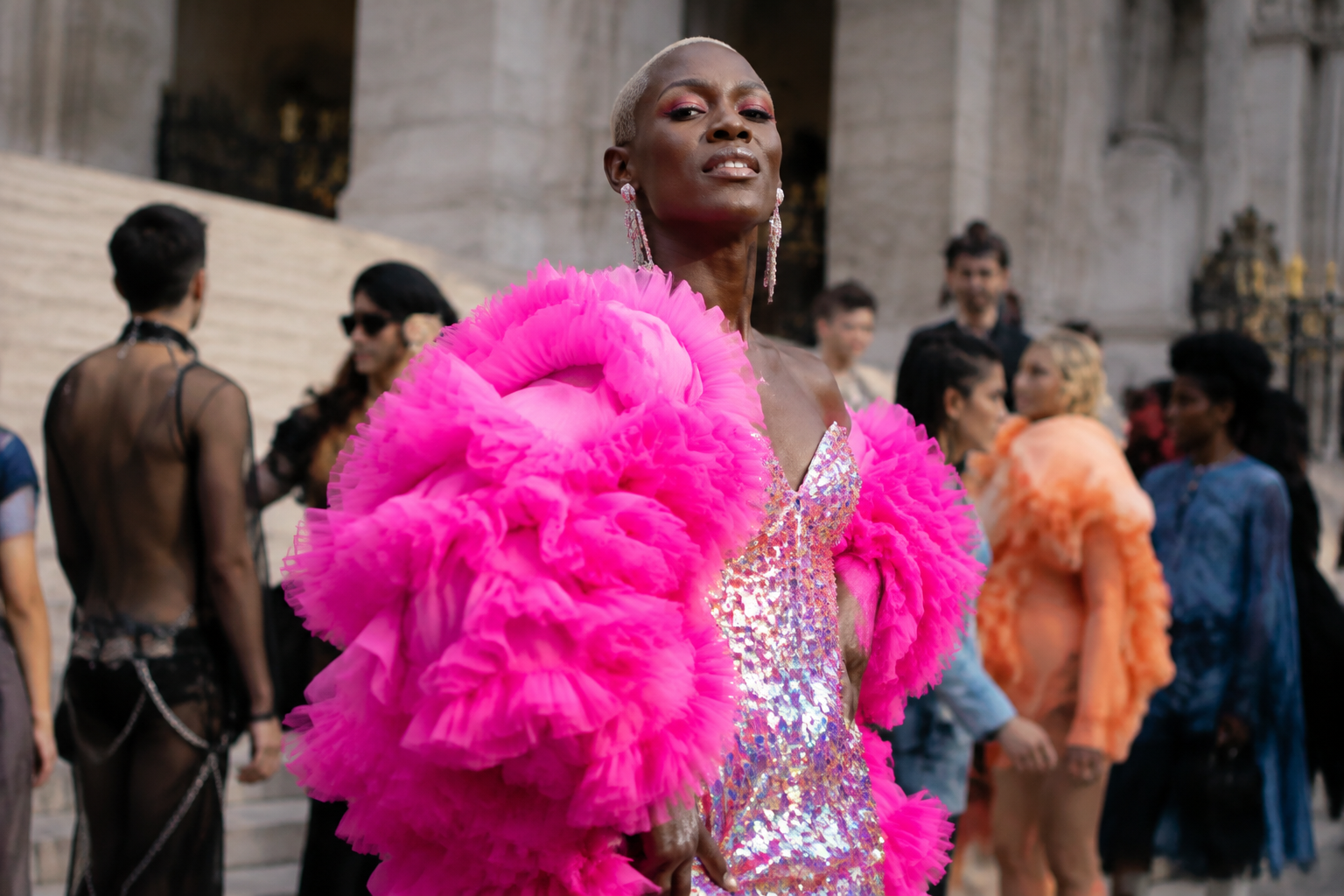
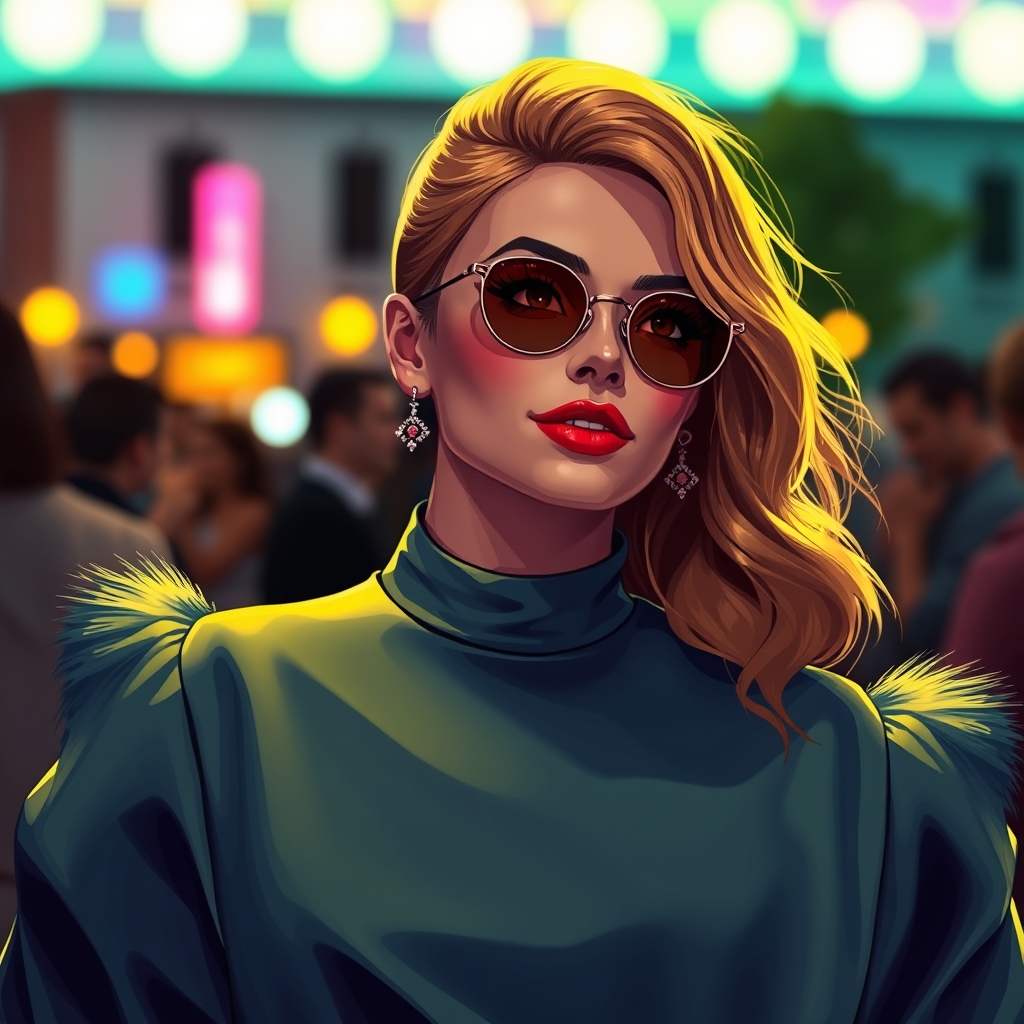
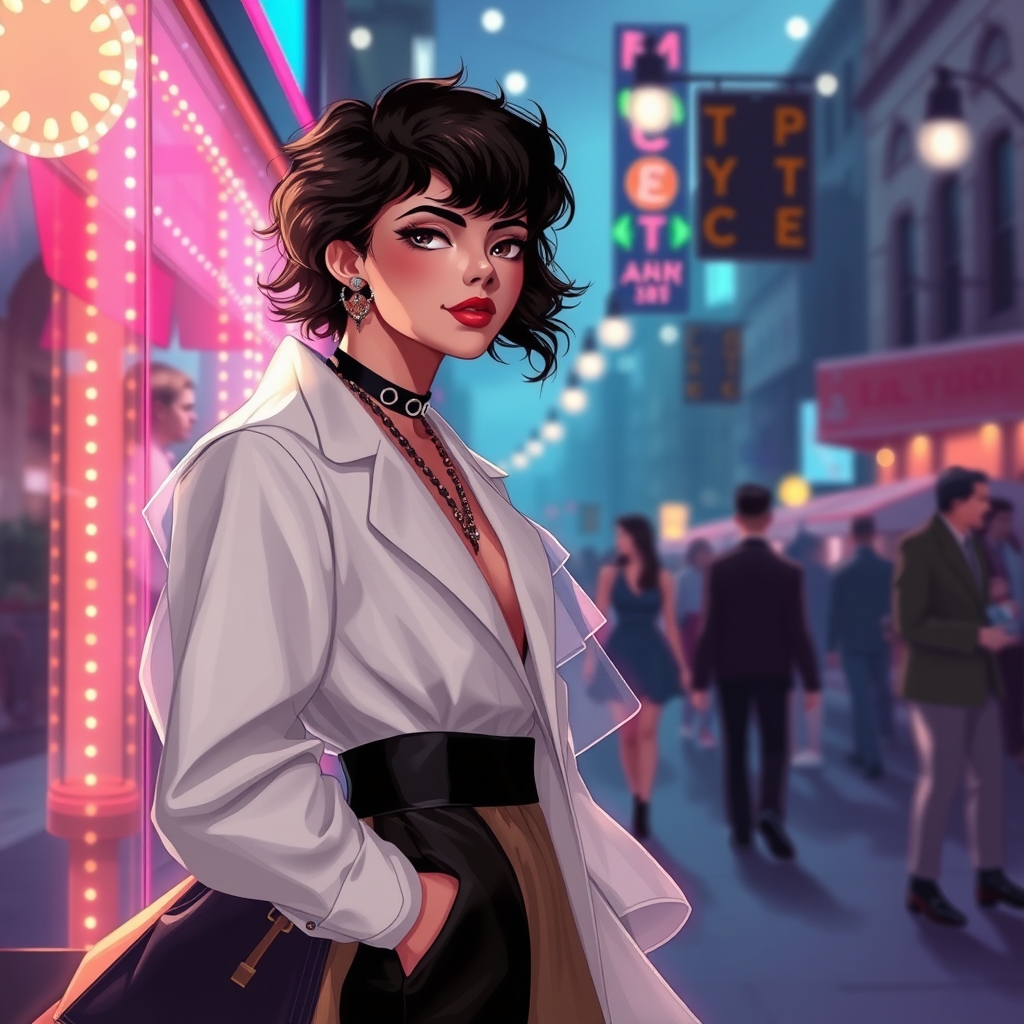
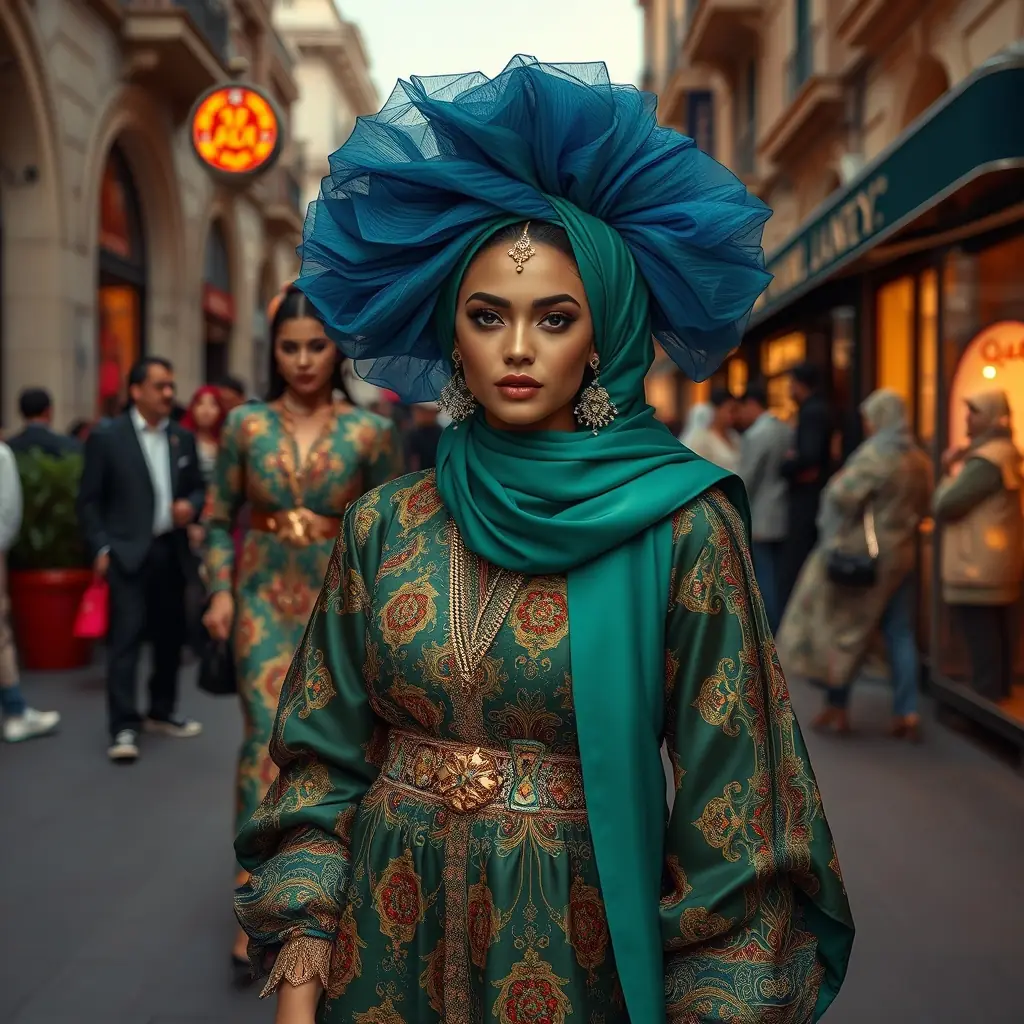
In recent years, the Arab LGBT scene has seen the rise of new style icons that mix urban influences with traditional roots. Cities like Dubai and Beirut are at the forefront of this movement, with fashion shows and cultural events dedicated to breaking conventional limits. Lebanese pop stars and Emirati influencers are often seen experimenting with bold trends, each look telling a story of cultural intersection. During my visit to a fashion pop-up, I noticed the use of vibrant colors like emerald green and royal blue incorporated into outfits that were both glamorous and steeped in history. These style icons are rewriting the rules, employing elements like streetwear aesthetics merged with classic Arab patterns. Footwear such as glittering sneakers mixed with traditional attire highlights this dynamic blend. Yet, the challenge is ensuring that these narratives don't reduce to mere trends—this is an ongoing dialogue about identity and representation. It's about making a statement that embraces cultural richness while also celebrating diversity in an ever-evolving landscape. Through this lens, each outfit becomes a powerful act of self-expression.
The Role of Festivals in Culture
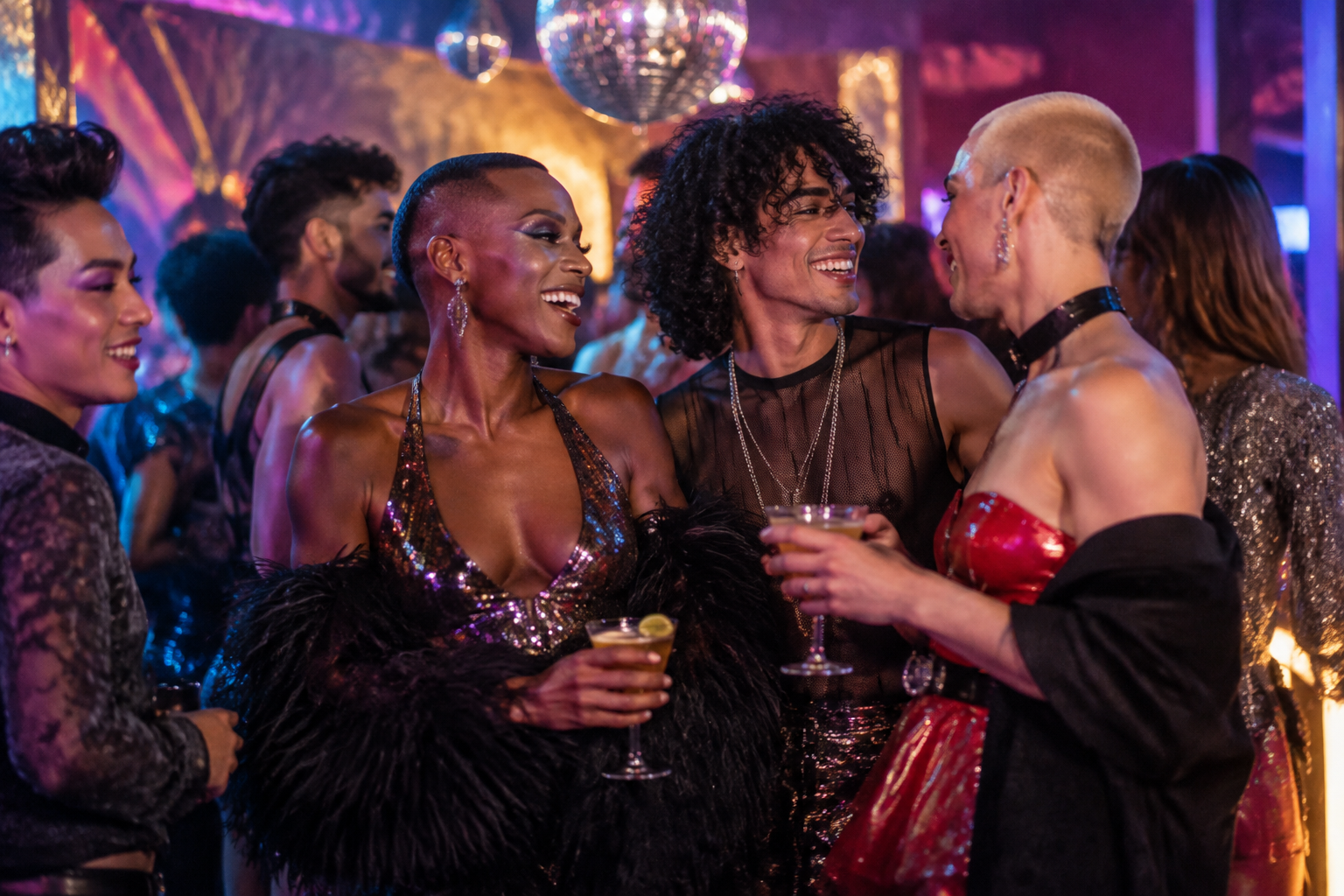
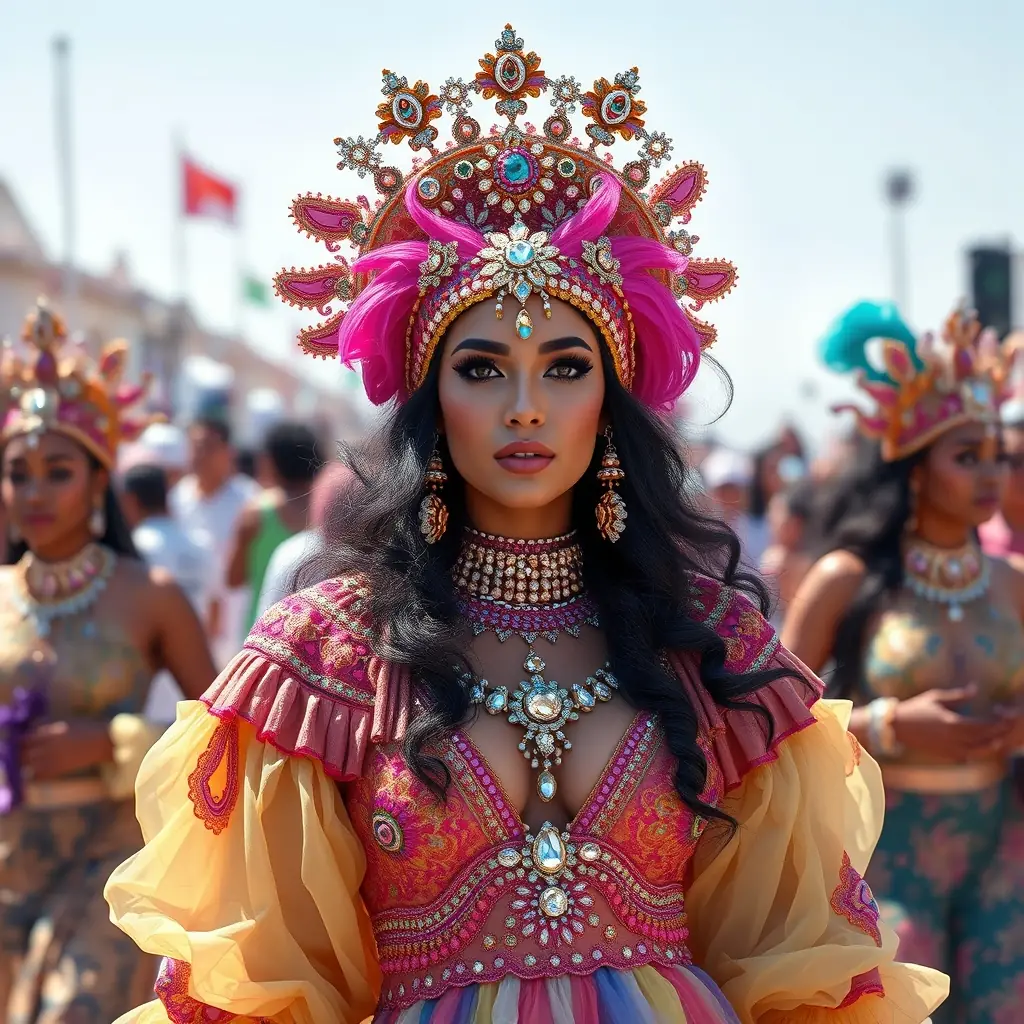
Arab LGBT festivals are more than just grand displays of costumes and colors; they are pivotal cultural gatherings. I attended one such festival, and the air was filled with excitement as different facets of life were celebrated. From art installations to fashion parades, these events act as giant playgrounds where creativity launches into new dimensions. People are drawn to the flamboyant yet harmonious ensembles that participants bring out, each carefully designed to reflect individual stories. Decorative pieces, heavily embroidered and embedded with shiny jewels, bring outfits to life, echoing the vibrancy of Arab cultures. These festivals not only provide a sense of belonging but also act as a beacon for the upcoming generation, signaling that it’s okay to be both true to oneself and to tradition. However, the balance is delicate. Keeping the integrity of these events rooted in authenticity and not letting them turn into purely commercial spectacles remains a significant challenge. Still, the joy found at these festivals is irreplaceable and crucial in continuing the dialogue of inclusion and representation. The future is bright and colorful, promising new avenues of expression.
Blending Old Techniques with New Creativity
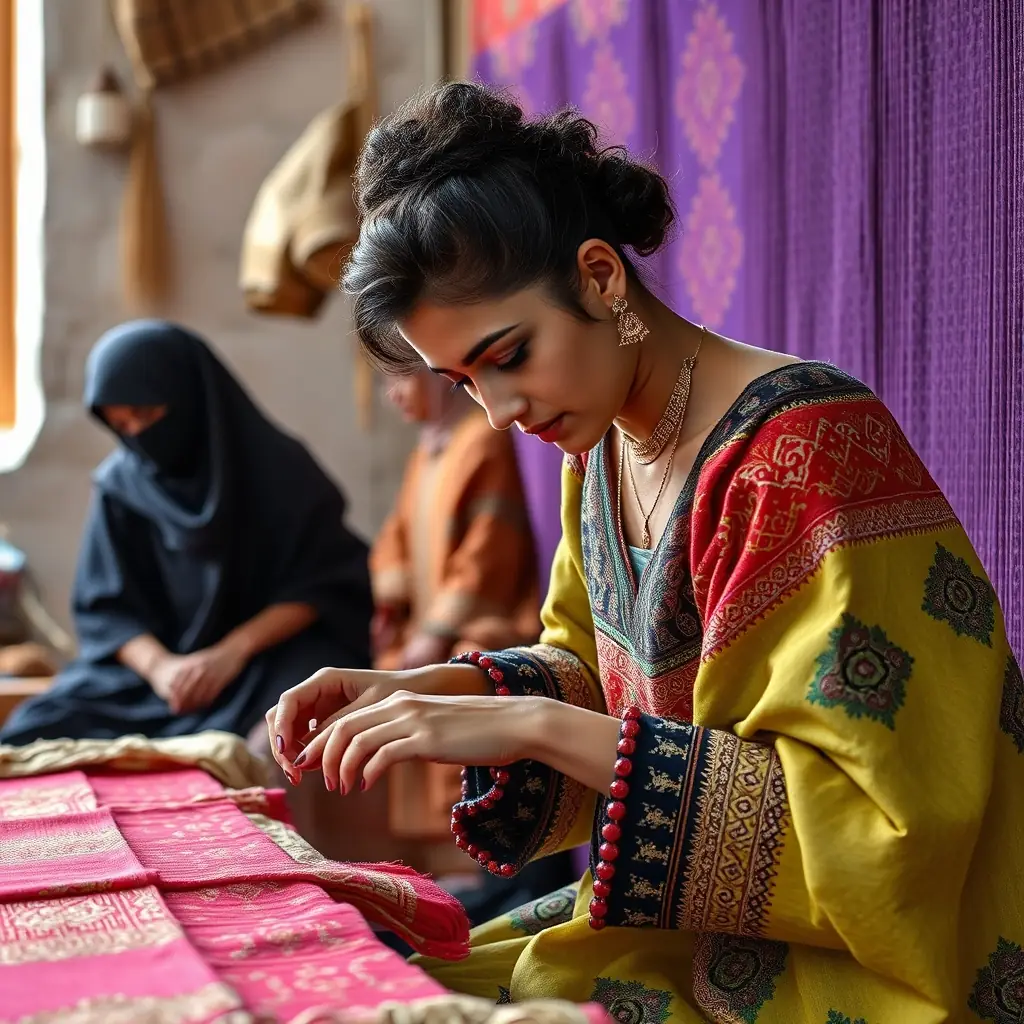
The Arab LGBT community is increasingly seen fusing traditional craftsmanship with modern-day techniques to create something entirely innovative. A visit to a workshop engaged in the art of hand-dyeing and weaving demonstrated this beautifully. Techniques passed down generations are getting a fresh spin with modern design elements. As I watched artisans work, colorful fabrics emerged from loom to runway, each thread painstakingly woven to narrate rich histories. This marriage between old and new is fascinating, seeing rayon threads being replaced by sustainable fabrics like bamboo or organic cotton. Yet, there's an intentionality to this merge—it's not just about creating something aesthetically pleasing, but meaningful. There’s a shared understanding among artisans and designers that each creation connects the past with the present, embodying resilience and adaptability. Importantly, these pieces become more than just garments or decorations; they serve as conversations starters about the intersection of culture, art, and identity. As this evolution of style continues, it’s crucial we remember and respect the roots while exploring new terrains of style and expression.